





Profile

Profile

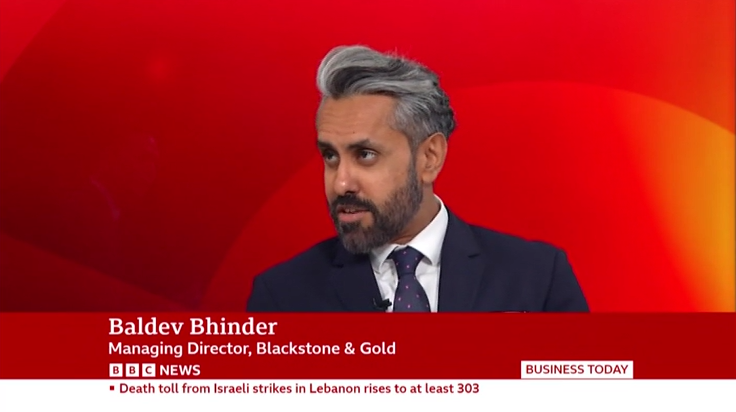
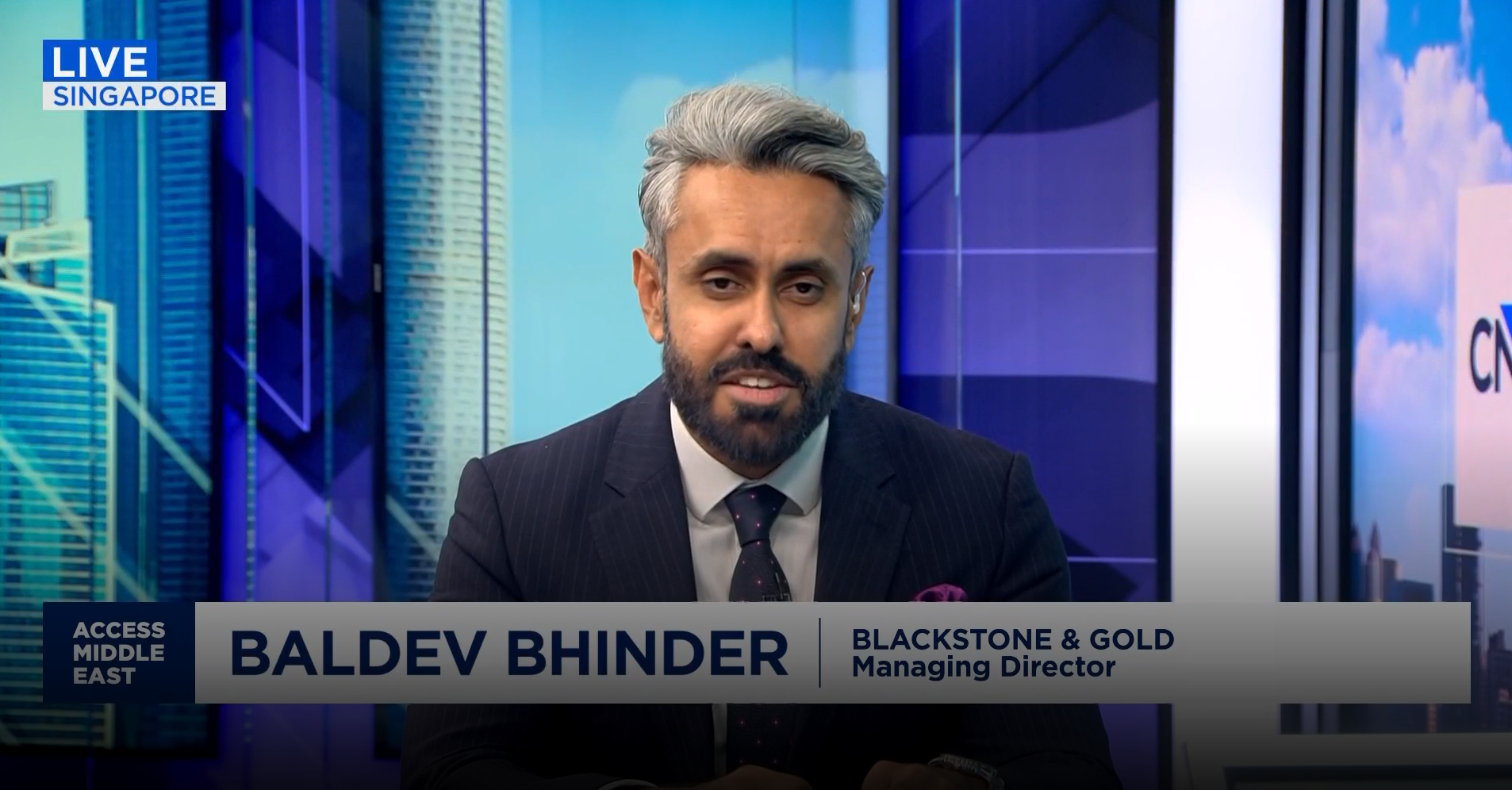
BBC News Interview: Force Majeure in the Straits of Hormuz

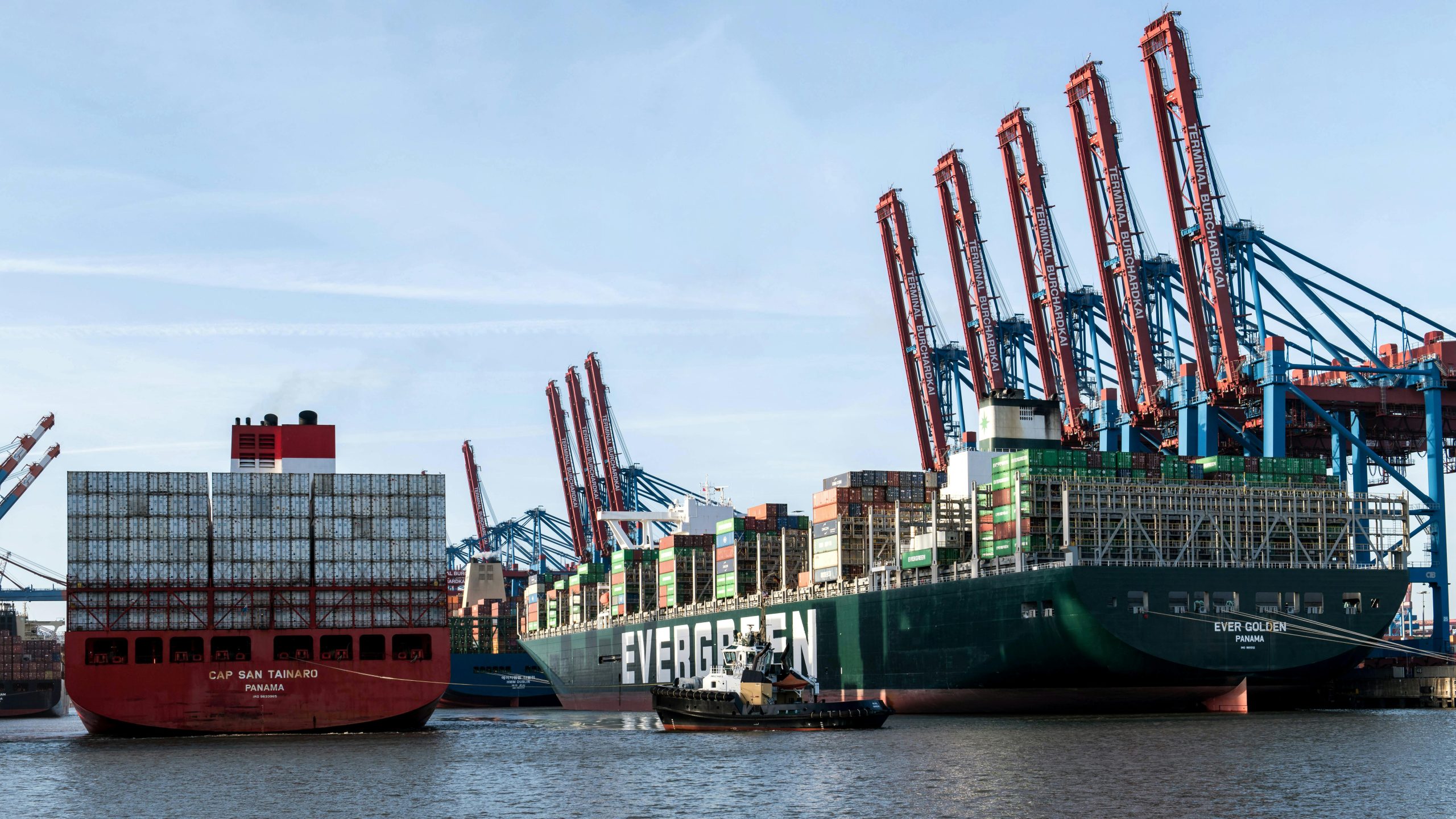
With the recent announcement of a ceasefire, our Managing Director, Baldev Bhinder, shared his views as to whether the notion of a ceasefire will affect force majeure claims connected to the Iranian conflict. Even with a ceasefire, the lingering effect of the disruption will continue as lifting of cargo involves an integrated supply chain from vessel nomination, berthing and supply allocation. A focus on the “event” often overlooks the operative aspects of a Force Majeure cause – whether a party has been prevented by performing.

READ FULL ARTICLE →
BG recognised in Legal 500 International Arbitration rankings
BG Ranked in Legal 500 for Dispute Resolution
Ranked in Chambers & Partners for International Arbitration
BG Lawyers ranked by Asian Legal Business in July 2024
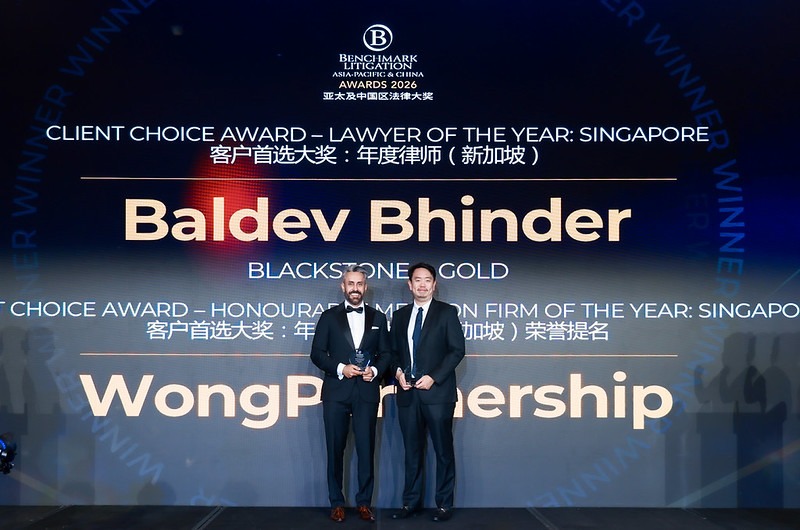
Who’s Who Legal Ranking: Baldev Bhinder
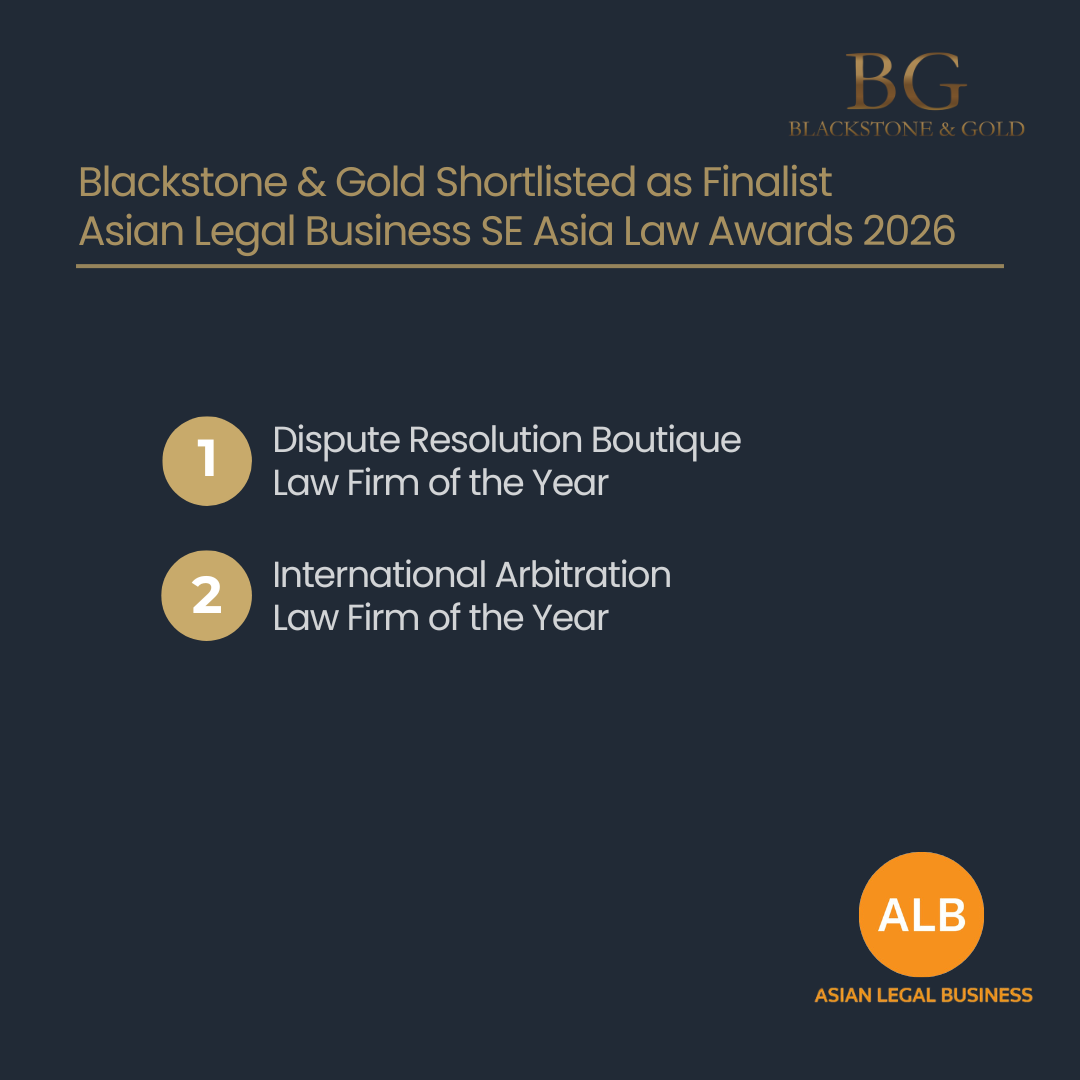
BG Shortlisted: International Arbitration Team of the Year
BG recognised in Legal 500 International Arbitration rankings
BG Ranked in Legal 500 for Dispute Resolution
Ranked in Chambers & Partners for International Arbitration
BG Lawyers ranked by Asian Legal Business in July 2024
Who’s Who Legal Ranking: Baldev Bhinder
BG Shortlisted: International Arbitration Team of the Year

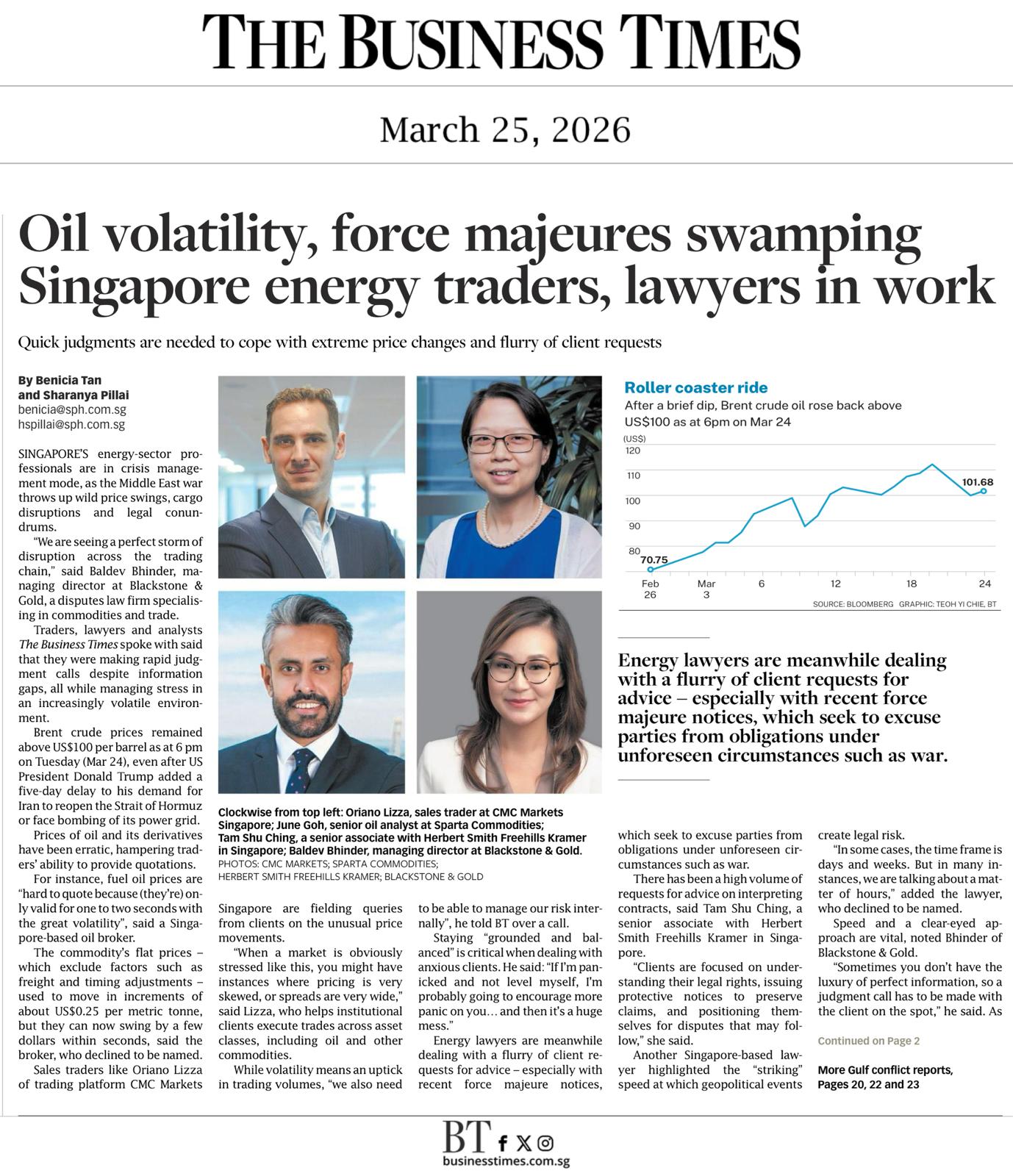
Force Majeure Is Being Misunderstood: What the Gulf Disruptions Mean for Traders

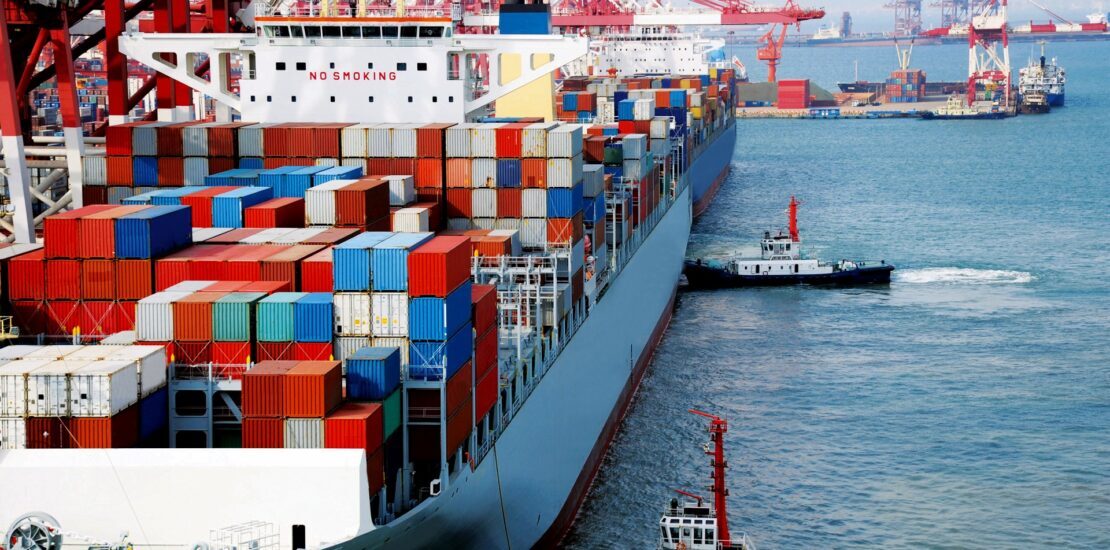
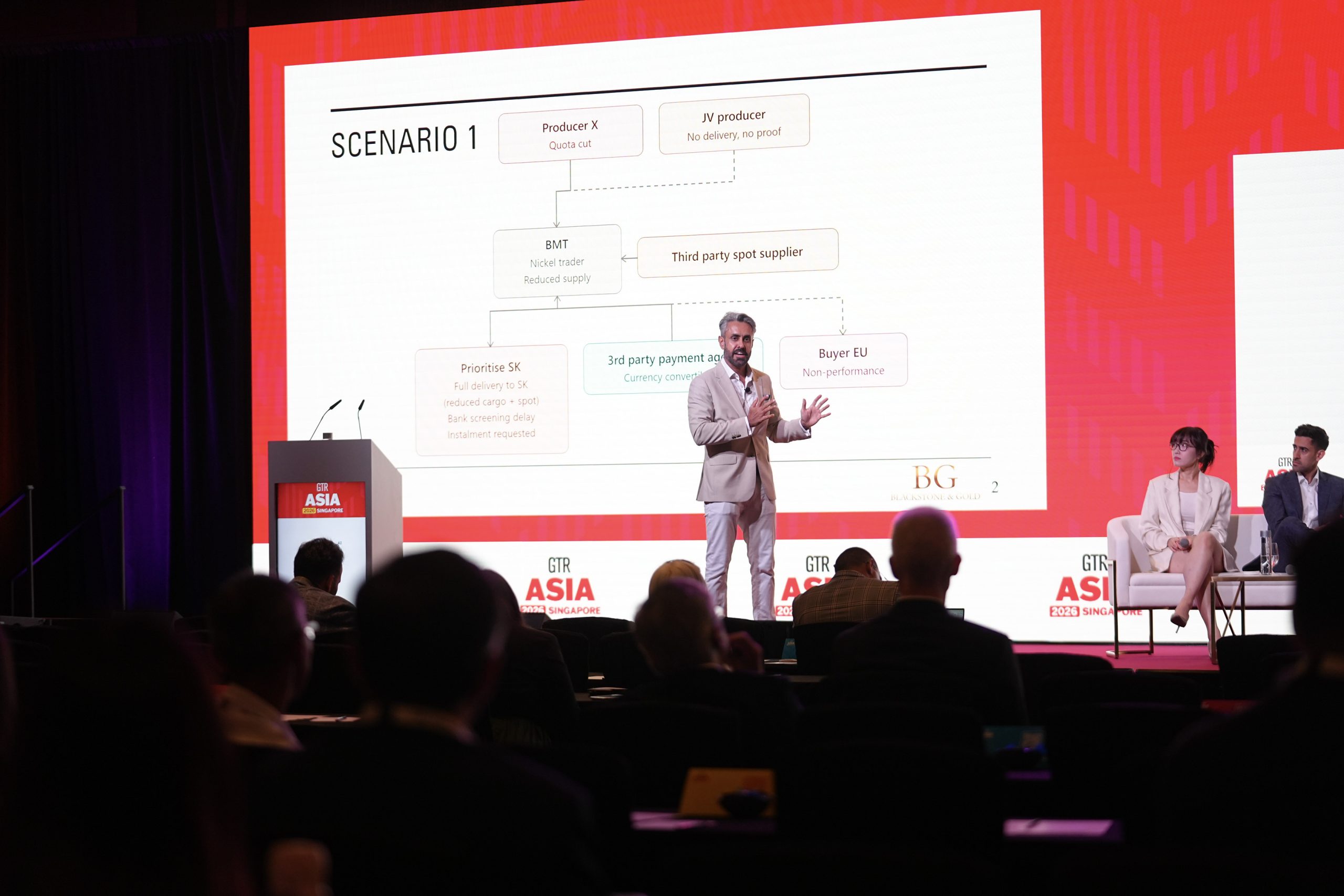
As featured in Global Trade Review A wave of force majeure declarations across the Middle East has disrupted oil and LNG supply chains, following attacks on infrastructure and shipping routes. The immediate reaction in the market has been declarations of force majeure up and down the supply chain, without a correct understanding as to its applicability. Force majeure is not contagious. The fact that an upstream supplier has declared force majeure does not automatically excuse downstream performance. Each contract must be assessed on its own terms. “It’s not sufficient to simply say my supplier has declared force majeure… and my supplier’s force majeure is my force majeure. That is a slippery and costly position to take, I think, if it was to go into arbitration.”  Where the Risk Lies Three issues will define how this plays out: 1. Prevention, not inconvenience    Higher costs, delays or difficulty do not meet the threshold. Performance must be genuinely prevented. 2. Mitigation will be scrutinised    Parties must show they have taken reasonable steps — alternative cargo, vessels, routes. Simply relaying a notice will not suffice. 3. Contract mechanics still apply    Notice requirements, timing and procedural compliance remain critical. Missteps here can invalidate a claim. Key Takeaway While supply disruption might fall like dominoes, force majeure claims might not do so. Establishing how the event has affected your performance, and what steps you took to mitigate will be essential. “A laid-back, nonchalant attitude of ‘my supplier’s passed me a force majeure notice

READ FULL ARTICLE →
BG recognised in Legal 500 International Arbitration rankings
BG Ranked in Legal 500 for Dispute Resolution
Ranked in Chambers & Partners for International Arbitration
BG Lawyers ranked by Asian Legal Business in July 2024
Who’s Who Legal Ranking: Baldev Bhinder
BG Shortlisted: International Arbitration Team of the Year
BG recognised in Legal 500 International Arbitration rankings
BG Ranked in Legal 500 for Dispute Resolution
Ranked in Chambers & Partners for International Arbitration
BG Lawyers ranked by Asian Legal Business in July 2024
Who’s Who Legal Ranking: Baldev Bhinder
BG Shortlisted: International Arbitration Team of the Year
BG celebrates with clients at Annual Party on 28 August
BG 5th Anniversary Party Photos
Webinar: Shipbuilding – Full Steam Ahead for Shipyards & Contractors
Webinar: Navigating the Labyrinth of Asset Recovery
Webinar: Crypto Hacks, Scams & Schemes – Getting Recovery Of Your Stolen Digital Assets
Webinar: Misdelivery Claims – Is Holding On To BLs Enough?
BG 3rd Anniversary Party Photos
Webinar: Payments under Letter of Credit – When are the Beneficiary’s Hands Tainted by a Third-Party Fraud?
Webinar: Dishonesty, Dissipation & Deception – Liquidation, Receivership or Freezer?
Webinar: Invoice Financing
BG Webinar: Arbitration, Court Remedies & Insolvency – Using the Right Tools for Recoveries
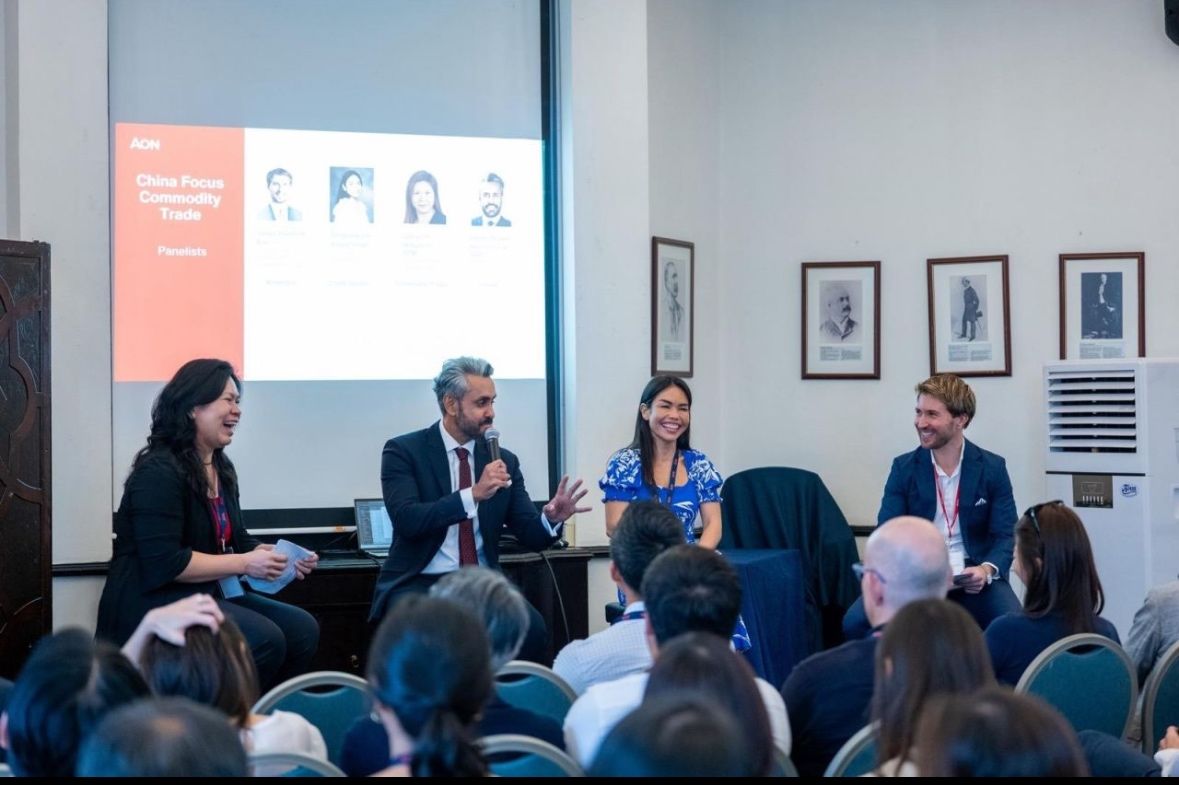
BG Webinar: Understanding the Risks In Commodity Trade Finance – What Does The Future Hold?
BG Breakfast Seminar: As Good As Gold? Get Your Security Package Right
BG Breakfast Seminar: Incoterms 2020
BG Launch Party

Webinar: Fraud, Fictious Trades & Letters of Credit – Where does the buck stop?

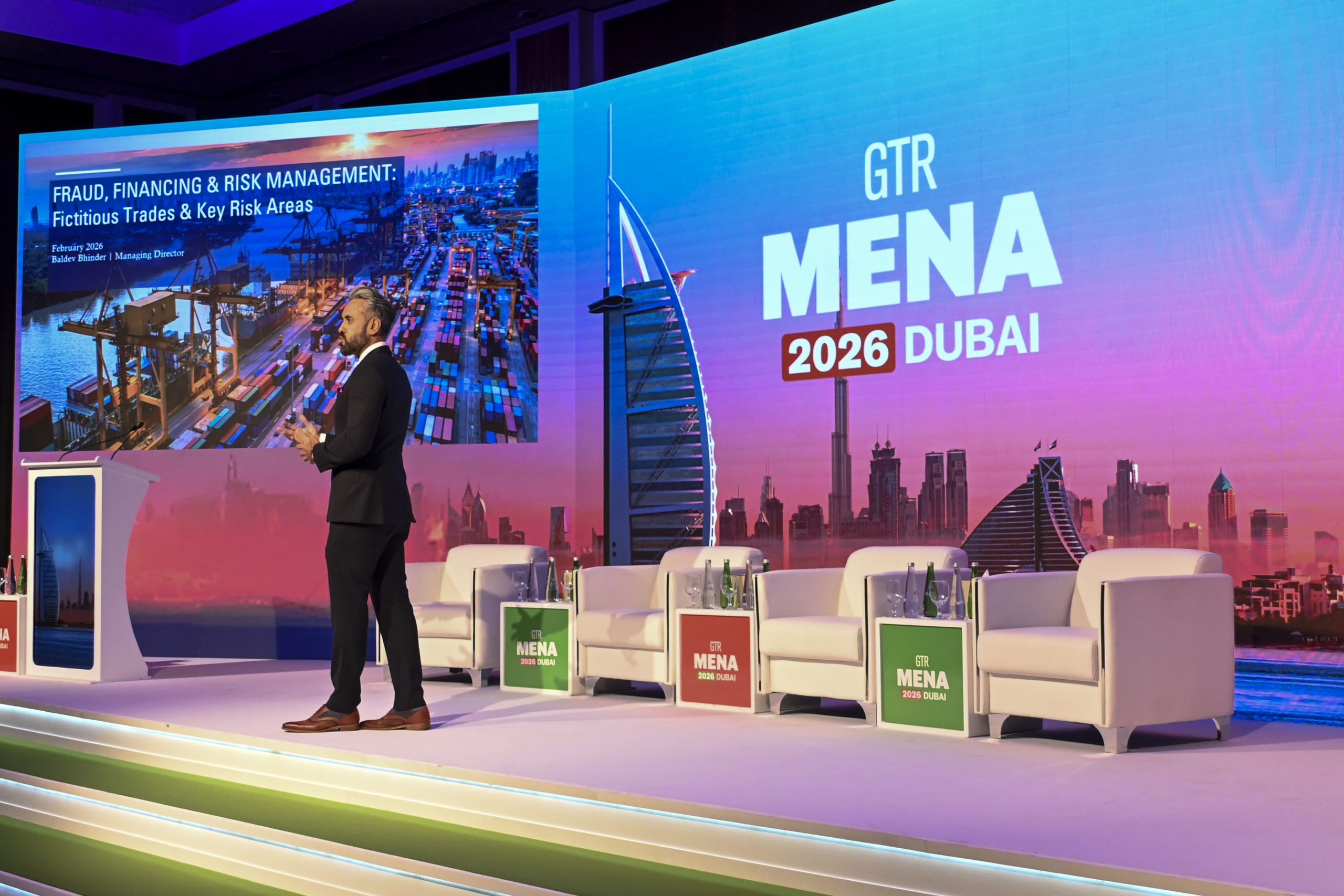
In this webinar, we cover two recent cases touching on whether a bank is required to make payment under a letter of credit: Winson Oil Trading Pte Ltd v Oversea-Chinese Banking Corporation and another [2023] SGHC 220 and Credit Agricole Singapore Branch v PPT Trading Energy Co. Ltd [2023] SGCA(I) 7 Who should bear the risk of fraud in a commodities trade to be paid by letter of credit? The LC issuing bank or the reckless beneficiary making representations to the bank about the trade it seeks payment for without regard to the truth or falsity of its statements to the bank and the documents it presents? Can the LC applicant’s fraud entitle a bank to decline payment under an LC? These themes have been explored recently by our courts as the meltdown of traders like Hin Leong and Zenrock led banks to contend with LC claims in respect of trades with questionable features.

READ FULL ARTICLE →

BBC News Interview: Force Majeure in the Straits of Hormuz

With the recent announcement of a ceasefire, our Managing Director, Baldev Bhinder, shared his views as to whether the notion of a ceasefire will affect force majeure claims connected to the Iranian conflict. Even with a ceasefire, the lingering effect of the disruption will continue as lifting of cargo involves an integrated supply chain from vessel nomination, berthing and supply allocation. A focus on the “event” often overlooks the operative aspects of a Force Majeure cause – whether a party has been prevented by performing.

READ FULL ARTICLE →
WEBINAR – 24 March 2026 Have You Been Prevented From Performing Your Contract
Trade Treasury & Payments
International Trade Series: Fraud in Invoice Financing
International Trade Series: Fictitious Trades & Letters of Credit
International Trade Series: Making Arbitration Work for You.
Webinar: THE LAW SHOULD CALL A FRAUD, A FRAUD: LETTERS OF CREDIT & FRAUD
Webinar: Fraud, Fictious Trades & Letters of Credit – Where does the buck stop?
Webinar: Navigating US Sanctions in International Trade
Webinar: Shipbuilding – Full Steam Ahead for Shipyards & Contractors
Webinar: Navigating the Labyrinth of Asset Recovery
Webinar: Crypto Hacks, Scams & Schemes
Webinar: Misdelivery Claims – Is Holding On To BLs Enough?
BG Short: Why Are BLs An Important Security?
Webinar: Payments under Letter of Credit – When are the Beneficiary’s Hands Tainted by Third Party Fraud?
Webinar: Commodities in 2022 – The Trends, Issues & Red Flags
Webinar: Dishonesty, Dissipation & Deception – Liquidation, Receivership or Freezer?
Webinar: 2020 Trade Fraud Scandals – Lessons Learnt
Webinar: Invoice Financing – The Good, The Bad & The Ugly
BG Short: Invoice Financing – The Good, The Bad & The Ugly
BG Webinar: Arbitration, Court Remedies & Insolvency – Using the Right Tools for Recovery
BG Short: Arbitration – 5 Things They Don’t Tell You.
BG Short: Letters of Indemnity – Problems Arising from Misdelivery
BG Webinar: Understanding The Risks In Commodities Trade Finance – What Does The Future Hold
BG Webinar: Restructuring & Security Enforcement of Debts
BG Short: Restructuring & Insolvency
BG: Covid Temporary Measures Act 2020: Key Aspects
BG Webinar: Getting Your Security Documents Right – BLs, Warehouse Receipts & Double Financing
BG: Incoterms 2020
TR: How Technology Helps Us Achieve Our Value Proposition
Introduction to BG: Our Why?
Top < /a>