The revised ICC Arbitration Rules entered into force on 1 June 2026. These changes are
READ FULL ARTICLE →
Middle East Disruption: FM Strategies
As vessels hesitate and cargoes fail to move, a familiar pattern emerges across commodity markets

As vessels hesitate and cargoes fail to move, a familiar pattern emerges across commodity markets

As vessels hesitate and cargoes fail to move, a familiar pattern emerges across commodity markets
The revised ICC Arbitration Rules entered into force on 1 June 2026. These changes are
READ FULL ARTICLE →The Financial Times recently examined Singapore's pivotal role as Asia's energy trading hub, reporting on
READ FULL ARTICLE →As vessels hesitate and cargoes fail to move, a familiar pattern emerges across commodity markets
READ FULL ARTICLE →As featured in Global Trade Review Baldev Bhinder, our Managing Director at BlackStone & Gold
READ FULL ARTICLE →With the recent announcement of a ceasefire, our Managing Director, Baldev Bhinder, shared his views
READ FULL ARTICLE →As featured in Global Trade Review A wave of force majeure declarations across the Middle
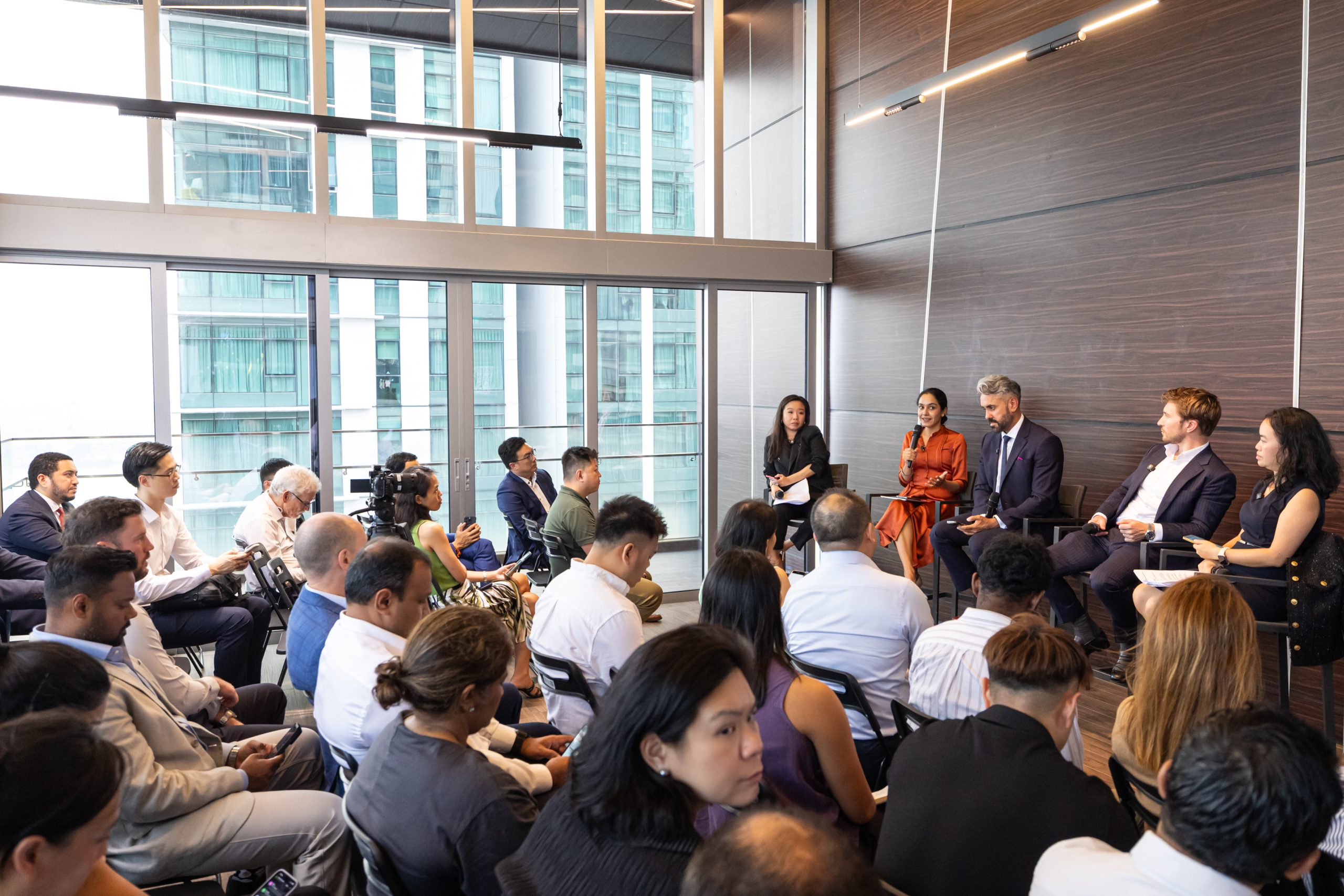
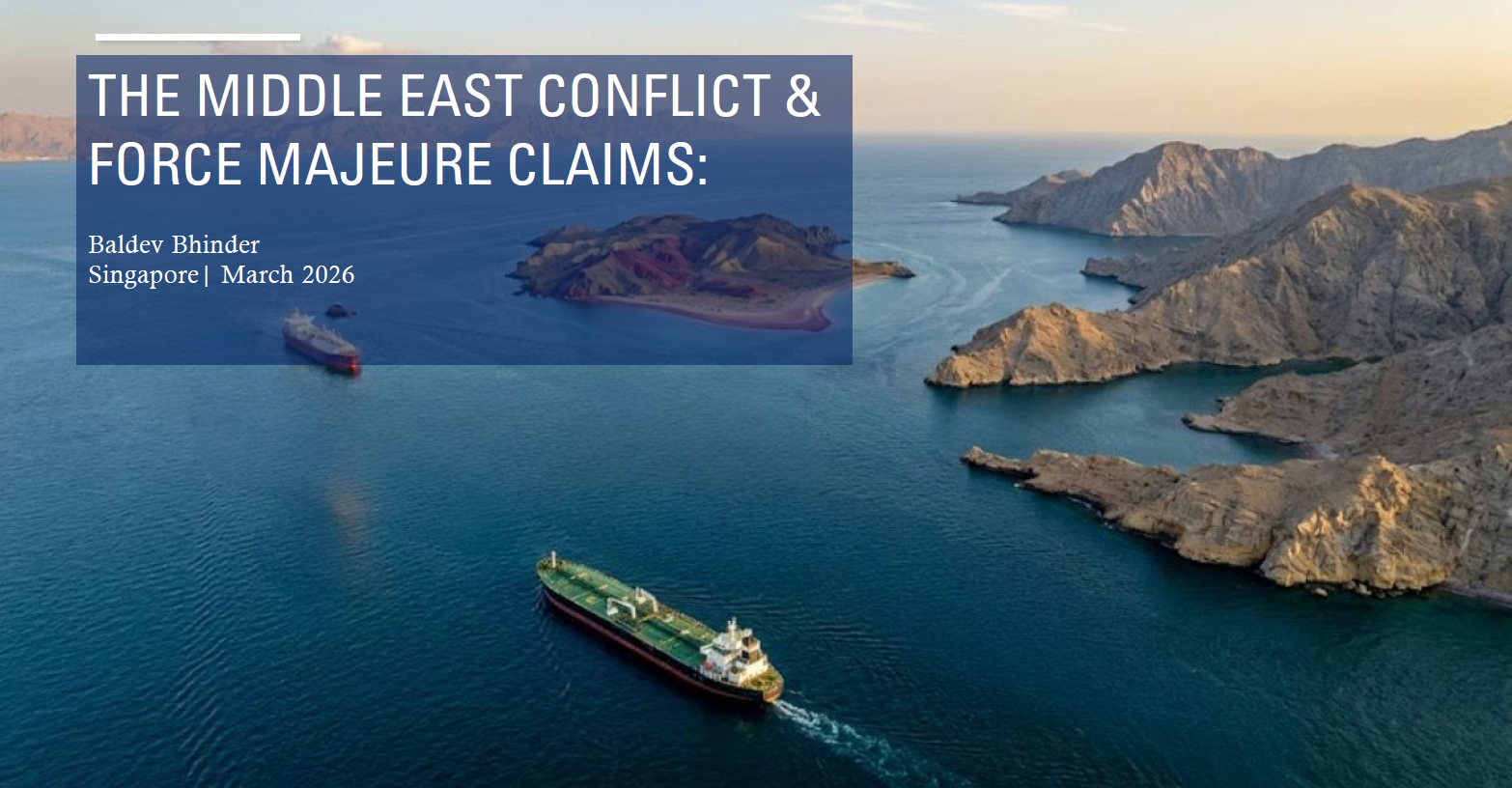
READ FULL ARTICLE →We hosted a webinar on Force Majeure Claims arising from the conflict in the Middle
READ FULL ARTICLE →The Asia Legal Business SE Law Awards will take place in May 2026, and we
READ FULL ARTICLE →
As vessels hesitate and cargoes fail to move, a familiar pattern emerges across commodity markets

This article was originally published in Trade Treasury Payments As disruption across commodity markets intensifies, force majeure is increasingly being relied on as a default
A key report for stakeholders navigating risk and how to structure design choices around verification,
READ FULL ARTICLE →The revised ICC Arbitration Rules entered into force on 1 June 2026. These changes are
READ FULL ARTICLE →The Financial Times recently examined Singapore's pivotal role as Asia's energy trading hub, reporting on
READ FULL ARTICLE →As vessels hesitate and cargoes fail to move, a familiar pattern emerges across commodity markets
READ FULL ARTICLE →As featured in Global Trade Review Baldev Bhinder, our Managing Director at BlackStone & Gold
READ FULL ARTICLE →As vessels hesitate and cargoes fail to move, a familiar pattern emerges across commodity markets
READ FULL ARTICLE →Our 2026 outlook on the cases we have worked on including fraud, misconduct and defaults,
READ FULL ARTICLE →2025 was defined by heightened volatility across global trade, commodities and finance, with disputes and
READ FULL ARTICLE →
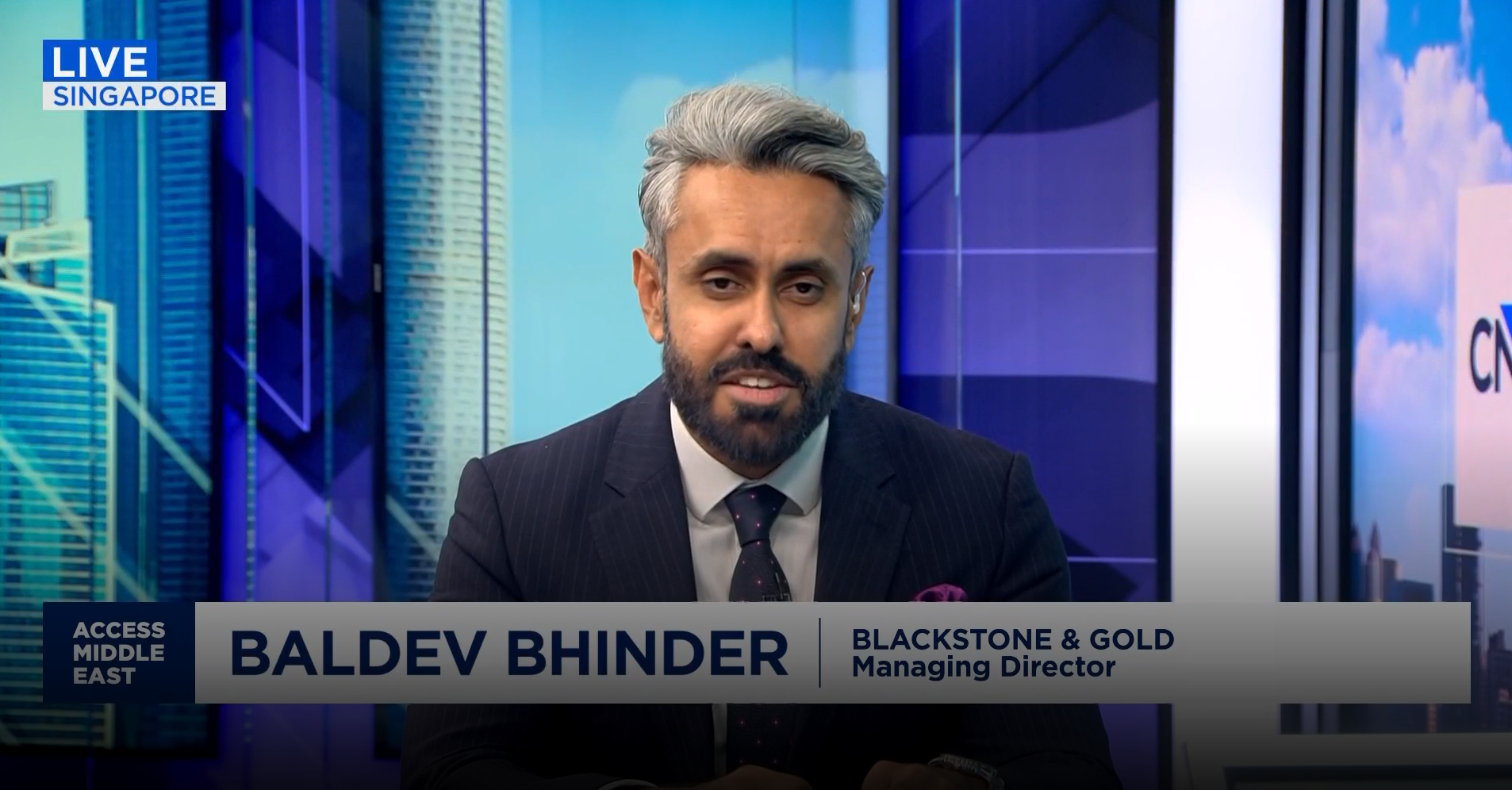
As featured on CNBC The potential closure of the Strait of Hormuz has raised immediate concerns across global energy and commodities markets with broad assertions of force majeure across the supply chain. The key to looking at a Force Majeure issue is to assess what the obligation is, assess whether one has truly been prevented from performing, and to look at what steps of reasonable mitigation could be taken. The correct question is not whether the Strait is disrupted but whether a party has been prevented from performing its specific obligation. Where the Market Is Getting It Wrong 1. Treating the event as the trigger A geopolitical event — even on as significant as a closure of Hormuz — is not, by itself, enough. The legal test remains whether performance has been prevented, not just made more difficult or expensive. 2. Assuming supply chain pass-through Even if upstream suppliers are affected, downstream parties must establish their own entitlement. “One person’s force majeure doesn’t translate to another. A shipping force majeure is not the same as a trading force majeure” 3. Ignoring mitigation obligations Parties must still consider: • alternative routes • substitute cargo • reallocation strategies A failure to act will be scrutinised closely in any dispute, bearing in mind, “one person’s mitigation can be different to another.” Key Takeaway Force majeure is not triggered by headlines. It requires clear demonstrated on how the event

As featured on CNBC The potential closure of the Strait of Hormuz has raised immediate concerns across global energy and commodities markets with broad assertions
We were pleased to have clients and friends of the firm at our annual party
READ FULL ARTICLE →We celebrated our 5th anniversary bringing together clients and friends in the energy and commodities
READ FULL ARTICLE →On 1 September 2022, we invited close to 200 guests from traders, lenders and insurers
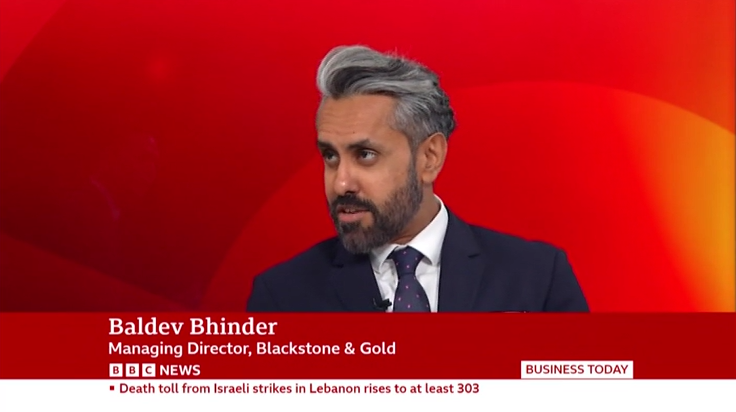
READ FULL ARTICLE →With the recent announcement of a ceasefire, our Managing Director, Baldev Bhinder, shared his views as to whether the notion of a ceasefire will affect force majeure claims connected to the Iranian conflict. Even with a ceasefire, the lingering effect of the disruption will continue as lifting of cargo involves an integrated supply chain from vessel nomination, berthing and supply allocation. A focus on the “event” often overlooks the operative aspects of a Force Majeure cause – whether a party has been prevented by performing.
With the recent announcement of a ceasefire, our Managing Director, Baldev Bhinder, shared his views as to whether the notion of a ceasefire will affect
We hosted a webinar on Force Majeure Claims arising from the conflict in the Middle
READ FULL ARTICLE →Baldev Bhinder talks to the Trade Treasury & Payments team on the sidelines of ITFA
READ FULL ARTICLE →In Part 3 of our International Trade Series, we talk about the hot topic of
READ FULL ARTICLE →In BCP V China Aviation Oil, was another letter of credit case in the Singapore
READ FULL ARTICLE →We launch our new international trade series which are 10 minute video interviews designed to
READ FULL ARTICLE →We hosted a webinar to discuss the recent Court of Appeal decision in Winson Oil
READ FULL ARTICLE →In this webinar, we cover two recent cases touching on whether a bank is required
READ FULL ARTICLE →We hosted a webinar with US sanctions lawyers from NY a law firm, Seward &
READ FULL ARTICLE →